Table of Contents
This is a different angle because it focuses on how a regional namkeen brand can grow beyond its local market through distribution, online shopping, modern retail, packaging, and digital discovery rather than simply discussing why people like namkeen.
India's food-processing industry is seeing wider distribution networks, modern retail and online sales playing a larger role in packaged foods. Regional and ethnic snacks are also identified as an area with domestic and global traction.
How Regional Namkeen Brands Can Reach New Customers Beyond Their Home Market
A regional namkeen can begin with a very local identity, but its journey does not necessarily have to end in the city or state where it first became popular. Across India, people are increasingly discovering food products from different parts of the country through supermarkets, online shopping, social media, modern retail and wider distribution networks. This has created an interesting opportunity for regional snack brands to introduce familiar Indian flavours to customers who may have never seen them before.
A namkeen that was once mainly purchased in one local market can now reach customers in another city, another state or even another country through the right combination of product quality, packaging, distribution and digital visibility. This is especially relevant for Indian savory snacks because the country already has a huge variety of regional products, from sev and gathiya to mixtures, chevda and other traditional snack formats. The Ministry of Food Processing Industries has also highlighted the growing traction of regional Indian foods and snacks in domestic and global markets.
For a regional namkeen brand, reaching a new market is not simply about sending more packets to more shops. The first challenge is helping a new customer understand what the product is. Someone who grew up eating a particular type of sev may immediately recognise it, while another customer may see the same product for the first time and wonder about its flavour, texture or how it is normally enjoyed. This makes clear product naming, simple descriptions and attractive but informative packaging important parts of market expansion. A regional brand needs to communicate its product in a way that feels familiar to existing customers while remaining easy to understand for people discovering it for the first time. The goal is not to remove the regional character of the snack, but to make that character easier for a wider audience to discover.
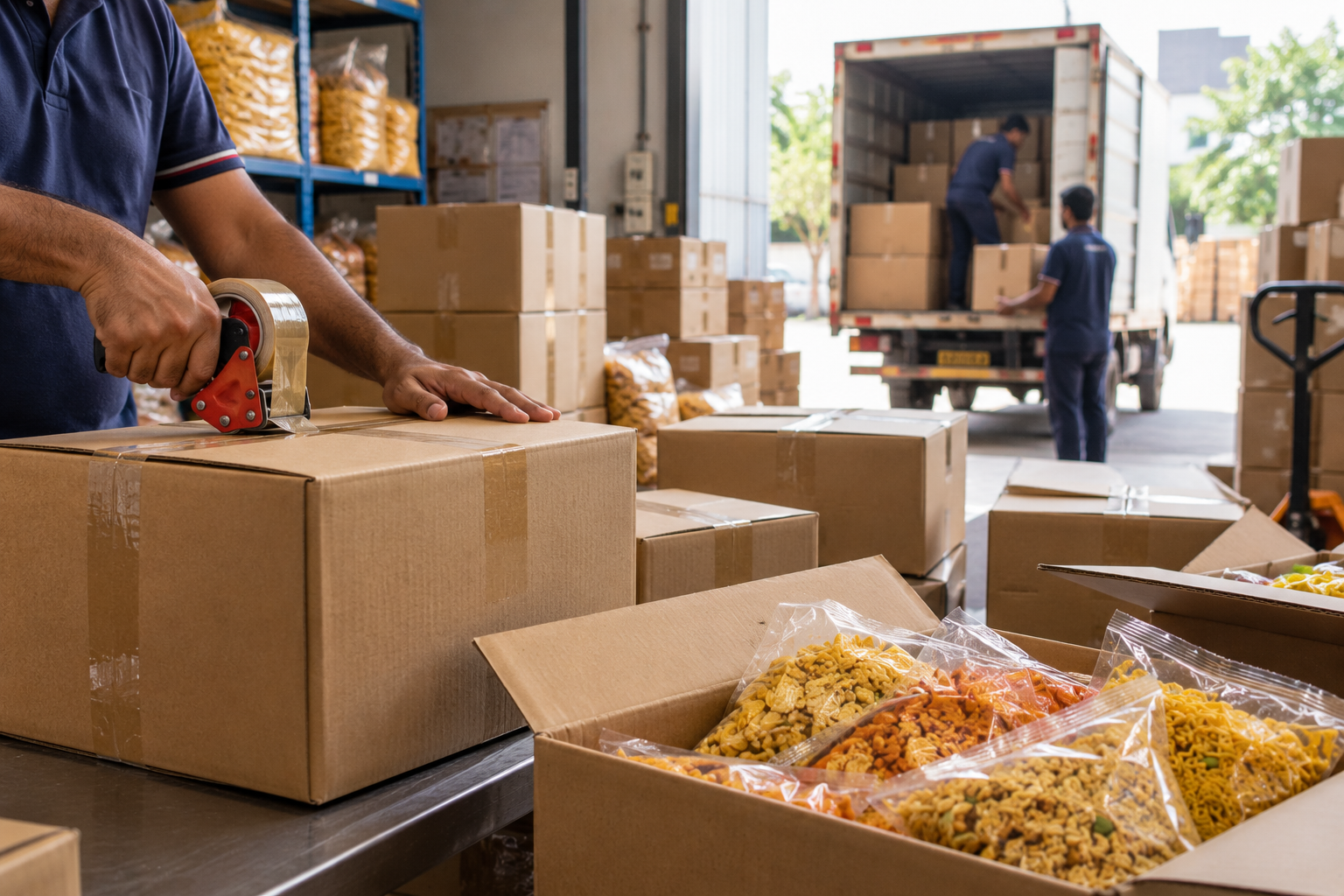
Distribution is another important part of this journey. A customer cannot buy a product they cannot find, no matter how interesting the product may be. Supermarkets, local grocery stores, specialty food retailers, online marketplaces and direct-to-consumer channels can all create different opportunities for regional namkeen brands. The growth of modern retail and online purchasing has made distribution increasingly important for packaged food businesses. A recent Ministry of Food Processing Industries study notes that modern retail and online sales are supporting packaged-food growth, while wider distribution networks are expected to contribute to the expansion of the organised food sector.
Digital discovery has also changed how customers come across unfamiliar food products. Earlier, discovering a regional namkeen often depended on visiting a particular shop, knowing someone from that region or receiving the product from family and friends. Today, a customer can discover a snack through a search engine, social media post, online grocery store or a brand website. This means a regional namkeen brand can explain its products before the customer even buys them.
A simple product photograph, a clear description, information about the snack and useful serving ideas can help remove the uncertainty that comes with trying something unfamiliar. India's online retail ecosystem has continued to expand, with digital channels becoming an increasingly important part of FMCG purchasing.
What can help a regional namkeen brand reach new customers?
- Clear product communication: Explain the snack, its flavour profile and what makes the product different in simple language.
- Wider availability: Combine local retailers with modern retail, online stores and other suitable distribution channels so customers in new markets can actually find the product.
Another important factor is consistency. When a customer discovers a regional namkeen outside its original market, the product experience becomes part of the brand's identity. If the customer enjoys the flavour and texture and later buys the same product again, they expect a similar experience. This makes consistent production, packaging and quality important when a brand begins serving a larger geographical area.
Growth can therefore require more than simply increasing production. It can involve improving supply planning, maintaining product quality, choosing suitable packaging and building relationships with distributors and retailers who can keep the product available.
For consumers, this wider availability can be an interesting part of India's changing food culture. Someone living outside Gujarat, for example, may discover Gujarati-style namkeen through a supermarket or online store, while someone in Gujarat may discover snacks from another part of India.
Regional food can travel without losing the connection that made it special in the first place. In fact, wider availability can introduce more people to the variety that already exists within Indian snack culture. NielsenIQ's 2026 research also points to the continuing importance of local flavours in India's evolving snacking market, even as consumers encounter newer products and flavour ideas.
For a brand such as Zemos Foods, this creates an interesting way to think about the future of namkeen. A regional snack does not have to choose between remaining connected to its roots and reaching a wider audience. With the right product presentation, consistent quality, retail availability and digital presence, a familiar Gujarati or Indian namkeen can become something that customers outside its original market can discover and enjoy. Zemos Foods offers a range of Gujarati namkeen and savory snacks, and its product range provides an example of how regional snack varieties can be presented as packaged products for customers in different markets.
The journey from a local favourite to a wider-market product is therefore not only about expansion. It is about discovery. Every new customer who sees a regional namkeen for the first time gets an opportunity to learn about a different snack style, flavour and food tradition.
As retail networks expand and digital shopping makes products easier to discover, regional namkeen brands have more ways than ever to introduce their products beyond their traditional markets. The result is a broader Indian snacking landscape where local favourites can find new customers while continuing to retain the identity that made them popular in the first place.